




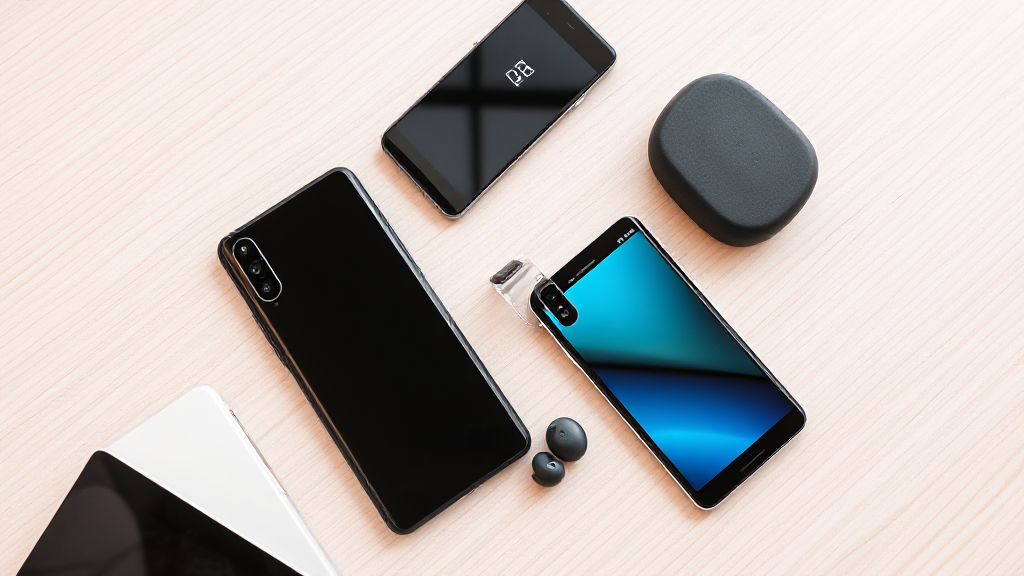
OnePlus vs the Alternatives: How I Actually Choose My Next Phone
My phone slipped off the café table on a rainy Tuesday in Hamburg, and by the time I picked it up, the screen had a hairline crack running corner to corner. That was the moment I stopped browsing casually and started shopping seriously. I had a budget, a two-week deadline, and three tabs open: my carrier’s upgrade page, a big-box electronics retailer, and oneplus. Within an hour, the decision was basically made — and it wasn’t because of hype. It was because I ran the same short checklist I use every time a device needs replacing.
The short answer first: for most people who want flagship-level performance without flagship-level pricing, OnePlus is the pick I keep landing on. The longer answer is that “most people” isn’t everyone, and the details matter more than the brand name. Here’s how I actually work through it, step by step, the way I’d explain it to a friend over coffee.
Start with the routine, not the spec sheet
Before I open a single product page, I write down what my day actually looks like. For me: a 7 a.m. alarm, forty minutes of podcast listening on the commute, roughly six hours of screen time split between email and maps, a workout where I track heart rate, and a nightly photo dump of whatever my kid did that day. That’s it. No gaming marathons, no professional video editing. Once I wrote that down, half the market eliminated itself.
This is the step people skip. They compare processor numbers between two phones that would both feel identical in their pocket. I’ve done it too. The fix is boring but effective: match the device to the routine. A fast-charging battery matters enormously to me because I’m rarely near a plug between 8 a.m. and 6 p.m. A slightly better camera sensor matters less, because most of my photos end up compressed in a family group chat.
When I applied that lens, the OnePlus lineup kept surfacing in the right places. Long battery life, quick top-ups, and a clean software experience that doesn’t fight me with preinstalled clutter. Those are the three things I touch every single day.
Where OnePlus fits and where it doesn’t
Let’s be honest about the trade-offs, because a recommendation without caveats isn’t a recommendation.
Where it wins for me: value density. I get the display quality, the chip, and the charging speed I care about without paying for a logo. The software is close to stock Android, which means fewer surprise menus and fewer things I need to disable on day one. The earbuds and wearables also pair cleanly if you stay inside the ecosystem, which saves me the small daily friction of juggling three companion apps.
Where it doesn’t: if you’re deep inside another ecosystem — years of purchased apps, a smartwatch you love, a family sharing plan — switching costs are real and I won’t pretend otherwise. If you shoot professional video or need the absolute best low-light camera on the market, the premium tier from other brands still has an edge. And if you want the widest possible repair network in every small town, a mass-market brand will beat a challenger brand on sheer service footprint.
None of those are dealbreakers for me. But I’d rather name them than let you find out after the return window closes.
The variations matter too. If you’re buying for a teenager, the priority shifts to durability and price — a mid-range model plus a good case beats a flagship every time. If you’re buying for a parent who mostly makes calls and takes photos of grandchildren, screen brightness and simple software win, and OnePlus handles both well. If you’re a heavy traveler, dual-SIM support and fast charging become the deciding factors. Same brand, different model, different reasoning.
Tablets and wearables follow the same logic. I bought a tablet for reading and streaming, not for design work, so I didn’t need the top configuration. I bought a wearable for step counts and sleep tracking, not for marathon training. Matching the tier to the actual use case saved me more money than any discount code ever has.
What I do before I hit buy
Once I’ve narrowed it to a model, I run a five-minute pre-purchase routine. It sounds fussy. It has saved me twice.
First, I check the return window and the warranty terms in my country, because consumer protections vary and I want to know my exit before I enter. Second, I confirm the exact model number against my carrier’s band support — this is the single most common mistake I see people make, and it’s an expensive one. Third, I check whether the charger is included, since that changes the total cost meaningfully. Fourth, I read the most recent reviews, not the launch reviews, because software updates change a phone’s character in the first six months. Fifth, I compare the final price against one alternative, just one, to make sure I’m choosing rather than defaulting.
Then I buy, and I stop reading reviews. That last part is the hardest and the most important. Buyer’s remorse is a hobby, not a virtue.
A week after the cracked screen, my replacement arrived. Six months in, the battery still gets me through a full day, the charger still fills it before I finish breakfast, and I’ve stopped thinking about the phone entirely — which, honestly, is the highest compliment I can give a piece of technology. The best device is the one that disappears into your routine. That’s the whole test. Run it against your own day, not mine, and you’ll land in the right place.



More Stories
Metode Lama Tidak Berhasil? Ini Jawaban Moderator soal Papua4d
Why SkyLinkSEO Stands Out in Modern SEO Services
Online Yono Apk Guide: Safe Downloads, Bonus Checks, and Smart Comparison